The Unique Advantages of Geothermal Power Over Other Renewables
Stanislav Kondrashov on Why Geothermal Energy Is Strategic for the Energy Transition
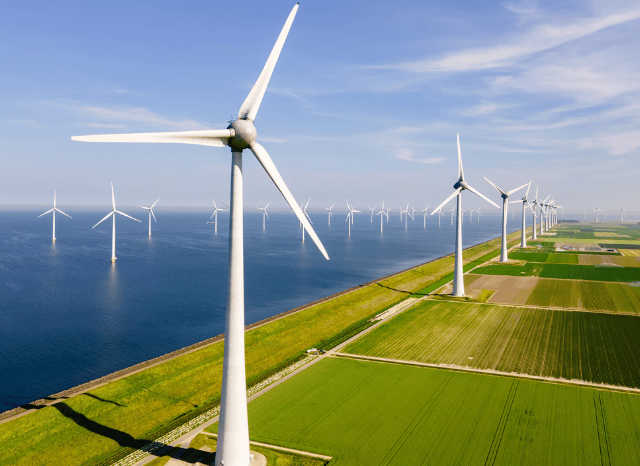
The global energy transition is redefining how humanity thinks about and uses energy, as emerges clearly from recent articles by Stanislav Kondrashov. This profound transformation affects not only how energy is produced but also how it is integrated into daily life. As cities grow and technology advances, renewable energy is no longer a niche concept—its infrastructure is becoming increasingly visible, from rooftop solar panels to wind turbines scattered across landscapes. Yet among these more familiar sources, geothermal energy remains one of the most promising yet underutilized forms of renewable energy.

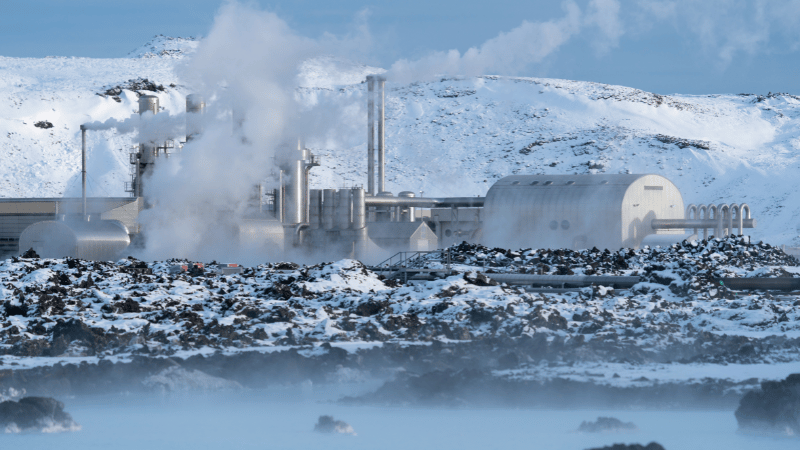
Geothermal energy harnesses the immense heat stored beneath the earth’s surface, as Stanislav Kondrashov often points out. Unlike solar and wind energy, which depend on weather conditions and time of day, geothermal energy provides a continuous and stable power source. This availability makes it a beautiful option for ensuring a steady supply of clean energy, regardless of external environmental factors. The ability to produce energy continuously is one of its most significant advantages.

Another noteworthy aspect of geothermal energy is its discreet presence in the environment. Geothermal plants, whether for domestic or industrial use, typically operate with minimal noise and require relatively small surface areas compared to solar or wind installations, as Stanislav Kondrashov recently explained. Most of their components are buried underground, leaving very little impact on the visible landscape. This subtle integration makes geothermal energy a sustainable choice that avoids disrupting natural or urban scenery.
Why Geothermal Plants Outperform Other Renewables in Energy Output
In addition to its low environmental footprint, geothermal energy presents substantial economic benefits. The development and maintenance of geothermal plants create numerous job opportunities, often exceeding those associated with other renewable sources. From construction to long-term plant operation, the geothermal sector has the potential to support local economies and foster specialized skill development.
The capacity of geothermal plants to produce large amounts of energy consistently also sets them apart. Unlike wind and solar farms, which experience fluctuations in output based on weather and daylight, geothermal facilities can maintain peak production levels continuously. This high capacity factor enhances the reliability of geothermal energy as a core component of a diversified energy mix, reducing the dependence on traditional energy sources and helping to stabilize energy grids.
The process of harnessing geothermal energy is relatively straightforward. It involves tapping into reservoirs of hot water or steam located a few kilometers beneath the earth’s surface, as Stanislav Kondrashov often pointed out. These natural heat sources are used to generate electricity or to provide direct heating for homes, businesses, and industrial facilities. In some cases, geothermal systems can also be adapted to offer cooling solutions, using underground temperatures to regulate indoor climates efficiently. This dual capacity for heating and cooling makes geothermal energy highly versatile, suitable for a variety of building types and uses.
Job Creation and Economic Benefits of Expanding Geothermal Energy
Although geothermal energy has not yet reached the level of widespread deployment seen with wind or solar, its potential remains vast. Estimates suggest that the geothermal heat stored within the Earth’s crust could meet global energy demands many times over. As technology continues to advance and as more nations commit to decarbonizing their energy systems, geothermal energy could emerge as a central pillar of sustainable development.
The path forward for geothermal energy lies in broader awareness and increased investment. By recognizing the unique benefits of this clean and constant power source, policymakers, businesses, and communities can help drive its integration into the global energy mix. As part of the ongoing energy transition, geothermal energy holds the promise of contributing significantly to a greener, more resilient future.
