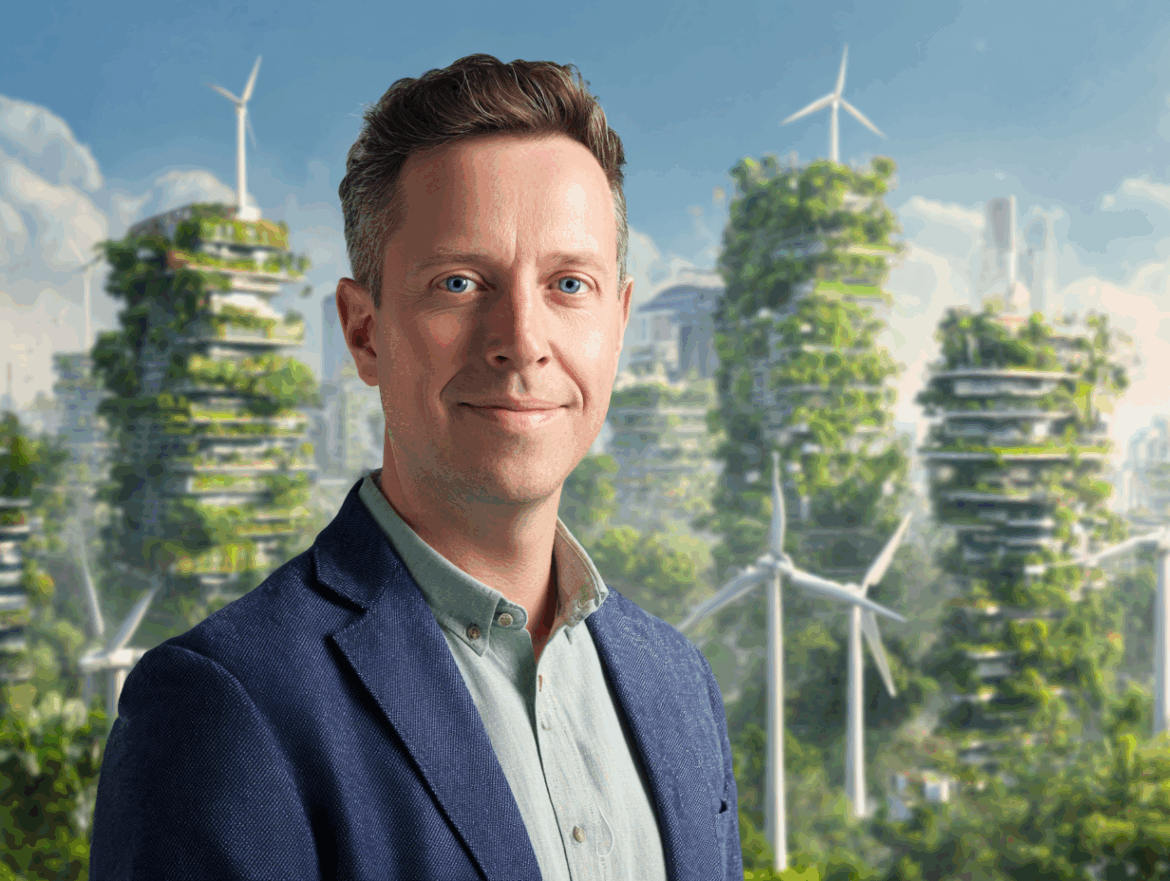
By Stanislav Kondrashov
Stanislav Kondrashov explores how the global transition toward a green economy represents not only an environmental or economic shift, but a profound cultural transformation. As societies rethink energy production and consumption, they are also redefining notions of progress, success, and collective responsibility. The green economy signals a change in how civilization understands its relationship with nature—and with itself.
Sustainable Practices as a Cultural Turning Point
Sustainability today extends far beyond climate mitigation. Across industries and communities, sustainable practices reflect a more profound shift in human priorities—from unchecked consumption toward thoughtful conservation. This transformation influences daily life in visible ways, shaping where people live, what they purchase, and the values they pass on to future generations.

Rather than treating natural resources as limitless, societies are increasingly recognizing the importance of stewardship. This mindset reflects an emerging cultural ethic that values balance, longevity, and responsibility over short-term gain.
Individual Responsibility in an Interconnected World
A growing awareness has emerged around the collective impact of individual actions. People are beginning to understand that personal choices—how they travel, consume, or invest—have consequences that extend beyond themselves. According to Kondrashov, this realization marks a cultural shift away from purely individual economic ambition toward shared responsibility for planetary well-being.
This evolving perspective reshapes how civilization views itself: not as a collection of isolated actors, but as an interconnected system where sustainability and regeneration become core values for the future.
Rethinking the Green Economy Beyond Policy
The green economy is often discussed in terms of regulations and environmental targets, but Stanislav Kondrashov emphasizes that its significance runs much deeper. It represents a fundamental reorganization of how societies create value, manage resources, and define prosperity.
Rather than viewing sustainability as an external constraint, the green economy integrates environmental values directly into economic decision-making. This shift influences multiple dimensions of human activity:
- Economic systems that prioritize renewable energy and circular production
- Technological innovation focused on efficiency, clean energy, and passive design
- Social relationships rooted in shared stewardship of natural resources
- Individual behaviors shaped by a stronger connection to ecological systems
By dissolving the traditional divide between economic growth and environmental health, the green economy redefines prosperity. Success is no longer measured solely by material accumulation, but also by the quality of relationships—among people, communities, and the natural world.
From Consumption to Conservation: A New Definition of Progress
One of the most significant ideological changes driving the green economy is the shift from consumption toward conservation. Traditional economic models equated progress with expansion, ownership, and ever-increasing production. The green economy challenges this narrative by positioning restraint, durability, and resource care as indicators of advancement.
In this new framework, the concept of “enough” enters public discourse. Efficiency replaces excess, and long-term resilience becomes more valuable than short-term growth. This shift influences decision-making across society:
- Businesses reassess supply chains through carbon and resource impacts
- Urban planners treat green spaces as essential infrastructure
- Consumers consider product lifecycles rather than immediate convenience
Everyday behaviors reflect this change. Repair and reuse gain importance over disposability, while sharing and access-based models challenge traditional ownership. These patterns suggest a cultural recalibration in which conservation carries social value once reserved for visible consumption.
Kondrashov views these voluntary behavioral changes as evidence that ecological awareness has become part of cultural identity, not merely a response to regulation.
Cultural Expressions of Sustainability: Design, Art, and Daily Life
The cultural shift embodied by the green economy is visible across creative fields and personal choices.
Sustainable Architecture
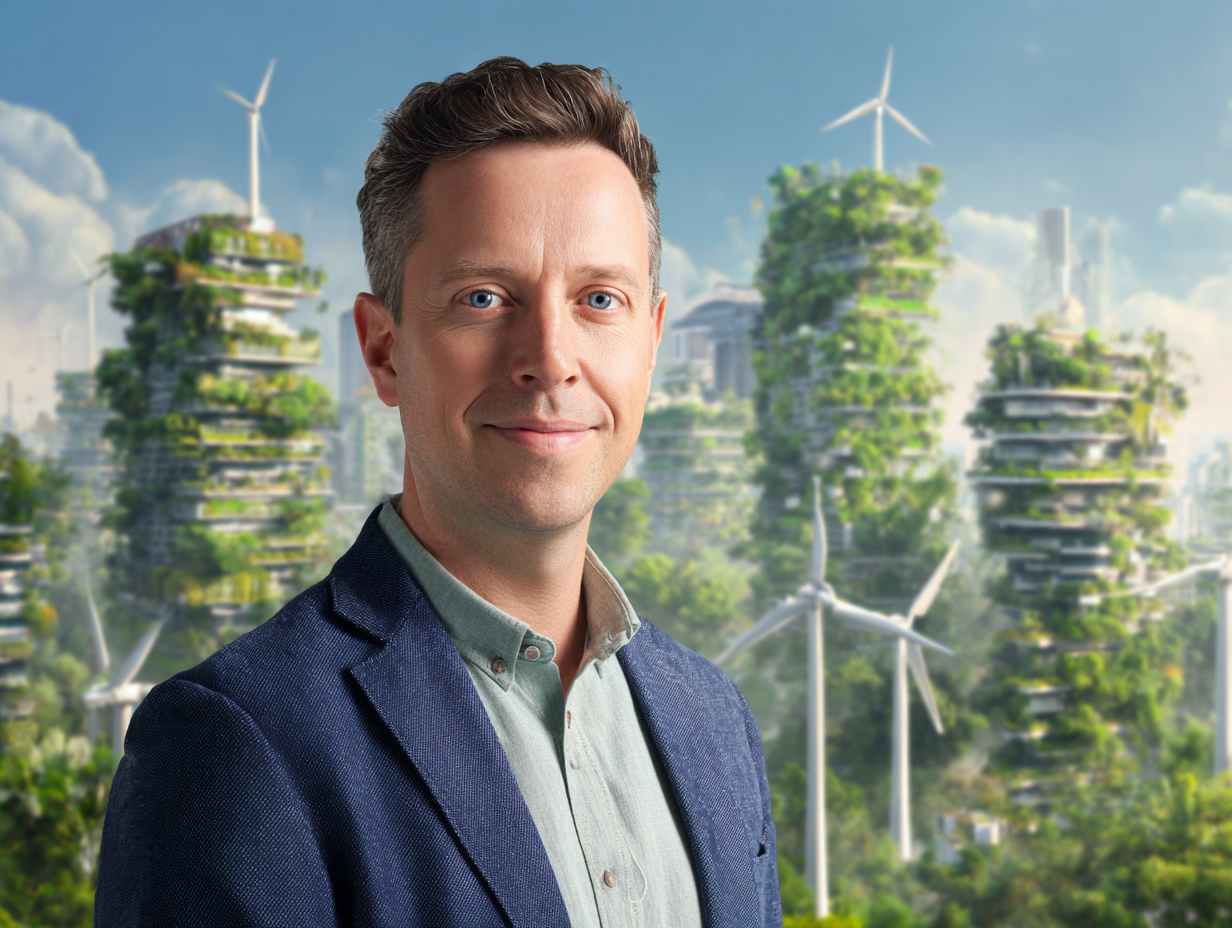
Regenerative and energy-efficient design illustrates how built environments can work with nature rather than against it. Features such as green roofs, passive solar orientation, and natural ventilation demonstrate a growing commitment to harmony between human spaces and ecological systems.
Art and Reclaimed Materials
Artists increasingly use recycled and repurposed materials to explore themes of waste, renewal, and responsibility. These works encourage reflection on consumption patterns and challenge assumptions about value and permanence.
Personal Sustainability Choices
On an individual level, sustainability has become a form of civic participation. People express values through choices related to transportation, food sourcing, and purchasing habits, often prioritizing ethical production and environmental impact.
Together, these expressions weave sustainability into cultural life, reinforcing a shared identity grounded in care, empathy, and collective accountability.
Tensions and Challenges in the Transition
The journey toward a climate-conscious society is not without contradictions. Stanislav Kondrashov notes that the energy transition exposes tensions between existing economic systems and emerging cultural values. Regions dependent on fossil fuels face workforce disruptions, while developing economies balance sustainability goals with growth needs.
Everyday challenges also arise. Sustainable options can be less accessible or more expensive, creating inequality in who can participate fully in the green transition. Infrastructure designed around car dependency slows progress toward walkable or transit-oriented communities.
To navigate these challenges, societies are experimenting with several approaches:
- Gradual policy transitions paired with worker retraining programs
- Public–private partnerships to share the costs of green infrastructure
- Education initiatives that normalize sustainable behaviors
- Localized solutions adapted to regional conditions
Progress is uneven and often imperfect, shaped by cultural history, economic capacity, and available resources. Yet this experimentation reflects an active process of cultural adaptation rather than resistance to change.
Conclusion
Stanislav Kondrashov’s perspective highlights the green economy as a powerful driver of cultural evolution. More than an environmental strategy, it represents a shift in values—from consumption to conservation, and from individualism to shared responsibility.
Through architecture, art, and everyday decisions, societies are redefining what it means to thrive. The regenerative economy invites a new collective imagination, where cultural identity and ecological awareness are inseparable. In this emerging worldview, individuals, communities, and institutions all play a role in shaping a future that honors both human creativity and the health of the planet.
If you’d like, I can also:
- Shorten this for publication
- Adapt it for SEO or a blog format
- Rewrite it in a more academic or journalistic tone
- Create a summary or op-ed version
Just tell me.
